The Ultimate Beginner’s Guide to Investing: How to Grow Real Wealth
A Stress-Free, Step-by-Step Plan to Turning Your Savings into Real Wealthlast updated Tuesday, September 22, 2026
#how to start investing #how to start investing for beginners
| | by Sidra Jabeen | Content Manager, Paperfree Magazine |

QUICK LINKS
ad
Get Access to Real Estate Investment Opportunities
How to Start Investing For Beginners
Growing your money doesn't require a finance degree or thousands of dollars saved up. It takes taking that first step—and understanding the fundamentals that will guide your financial journey for years.
Whether you're dreaming of early retirement, buying your first home, or building a safety net that grows faster than inflation erodes it, investing turns those dreams into achievable milestones.

Why Investing Matters More Than You Think
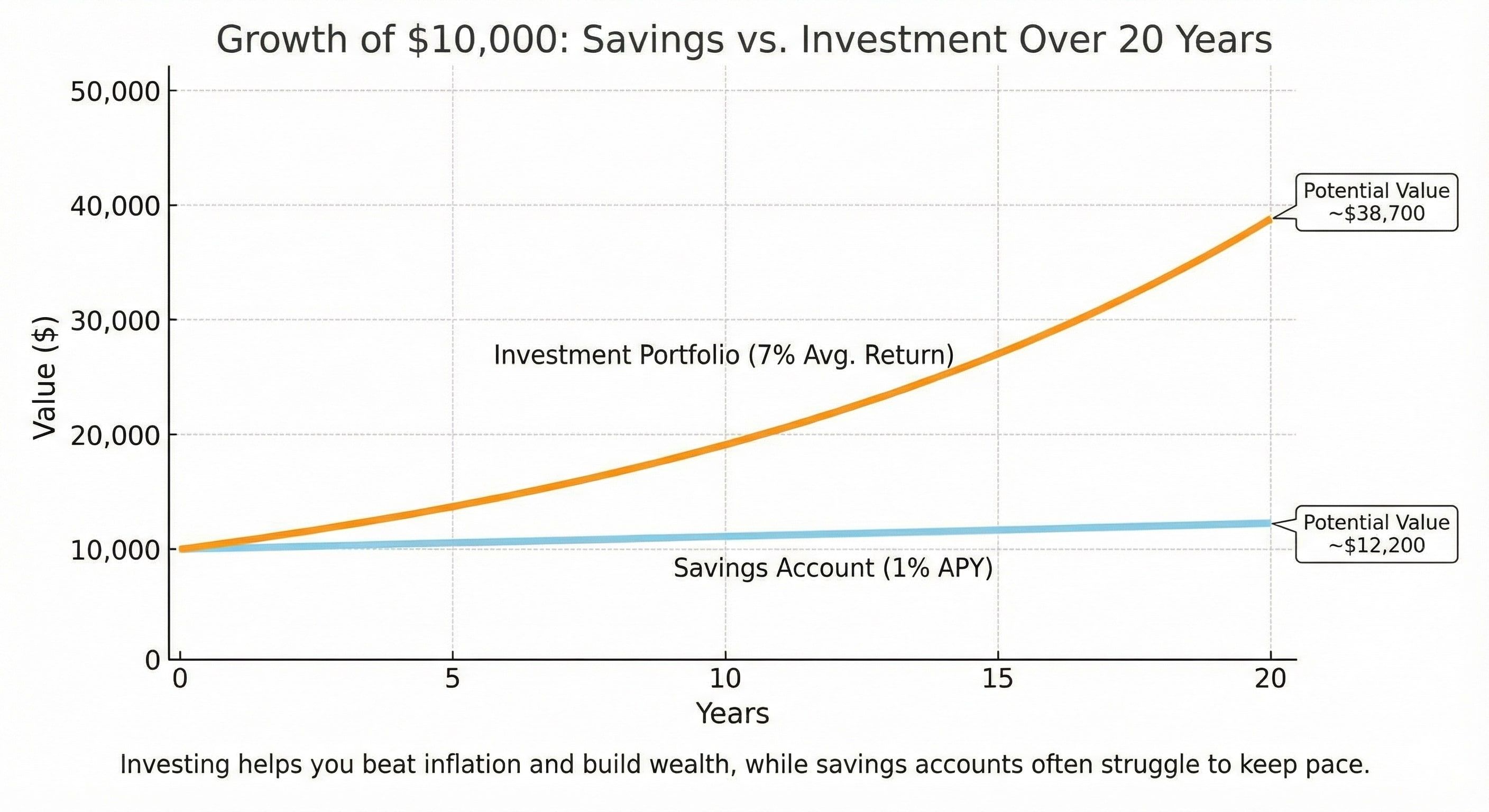
Let's get one thing straight: keeping all your money in a savings account feels safe, but it's quietly losing value. Inflation reduces money's purchasing power over time, so $10,000 today won't buy as much as $10,000 did five years ago.
Investing helps you:
Beat inflation's silent erosion – Your money grows faster than prices rise, preserving and increasing your purchasing power.
Build real wealth over time – The stock market has historically provided higher returns than savings accounts or certificates of deposit, turning modest regular contributions into substantial nest eggs.
Achieve life's biggest goals – Whether it's retirement comfort, homeownership, or funding your children's education, investing provides the growth engine to reach these milestones.
Understanding Investment Basics
Before diving in, let's demystify what investing actually means.
Investing is putting your money into assets—like stocks, bonds, or real estate—with the expectation that it will grow over time. Unlike a savings account, where your balance stays relatively static, investments fluctuate in value but offer significantly higher growth potential.
Your Investment Options Explained
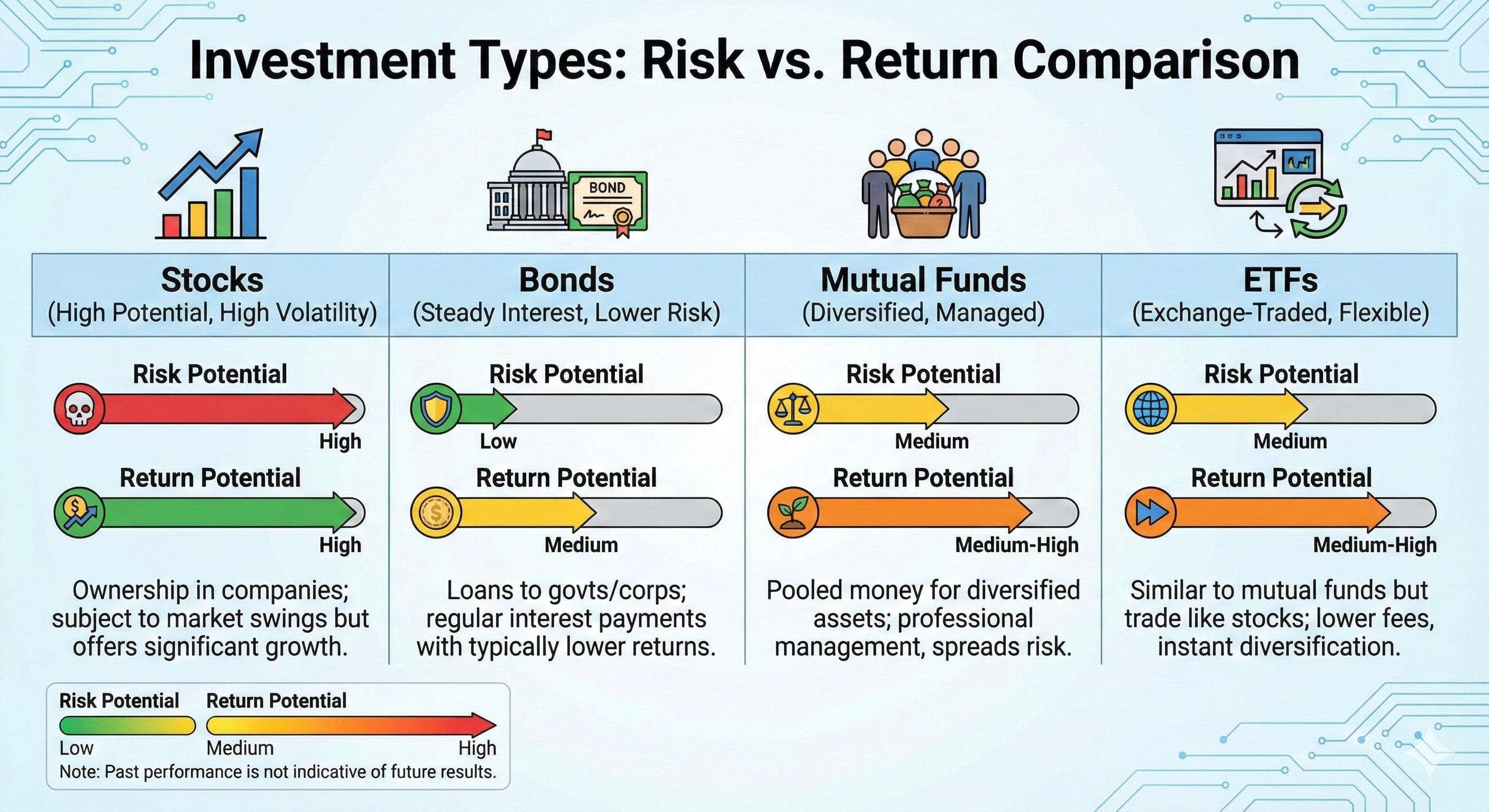
- Stocks represent ownership in companies. When you buy Apple or Microsoft stock, you own a tiny piece of those businesses. Stocks offer substantial growth potential but come with higher volatility.
- Bonds are essentially loans you make to corporations or governments that pay you interest over time. They're typically more stable than stocks but offer lower returns.
- Mutual Funds pool money from many investors to buy diversified portfolios of stocks and bonds, which are managed by professionals. This provides instant diversification without requiring extensive knowledge.
- ETFs (Exchange-Traded Funds) work similarly to mutual funds but trade like stocks throughout the day and typically charge lower fees.
The Risk Reality Check
Every investment carries risk—there's no way around it. The key is understanding your personal risk tolerance rather than avoiding risk altogether.
Your risk tolerance depends on three factors: your age, your financial goals, and your emotional comfort with market fluctuations. Risk capacity is your ability to take on risk without jeopardizing your financial goals, while risk willingness is how much fluctuation you can stomach emotionally.
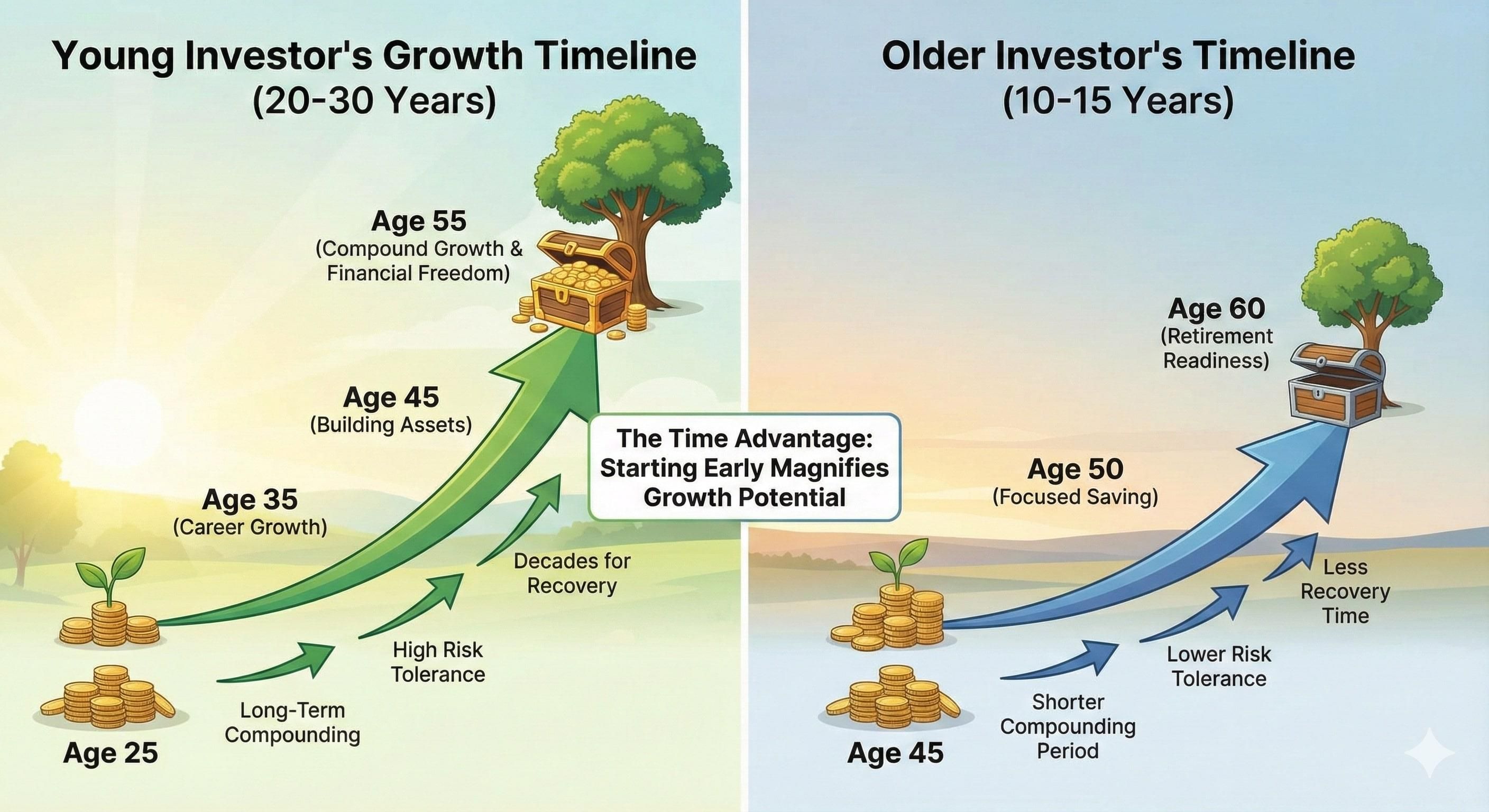
Generally, younger investors can afford more aggressive portfolios because they have decades to recover from market downturns. The earlier you start investing, the more you can benefit from compound growth—that magical effect where your earnings generate their own earnings.
Your Step-by-Step Investing Roadmap
Step 1: Get Your Financial House in Order
Before investing a single dollar, ensure you have:
An emergency fund covering three to six months of expenses in an easily accessible savings account. This protects you from having to sell investments in an emergency.
No high-interest debt – If you're paying 18% interest on credit cards, that takes priority. You'll never consistently earn 18% from investments.
Step 2: Define Your Goals
Get specific about what you're investing in. Are you saving for retirement in 30 years? A down payment on a house in 5 years? Your child's college fund in 15 years?
Divide your goals into short-term, medium-term (one to five years), and long-term (more than five years). This determines how you should invest.
Step 3: Choose Your Account Type
The right account depends on your goals:
For Retirement:
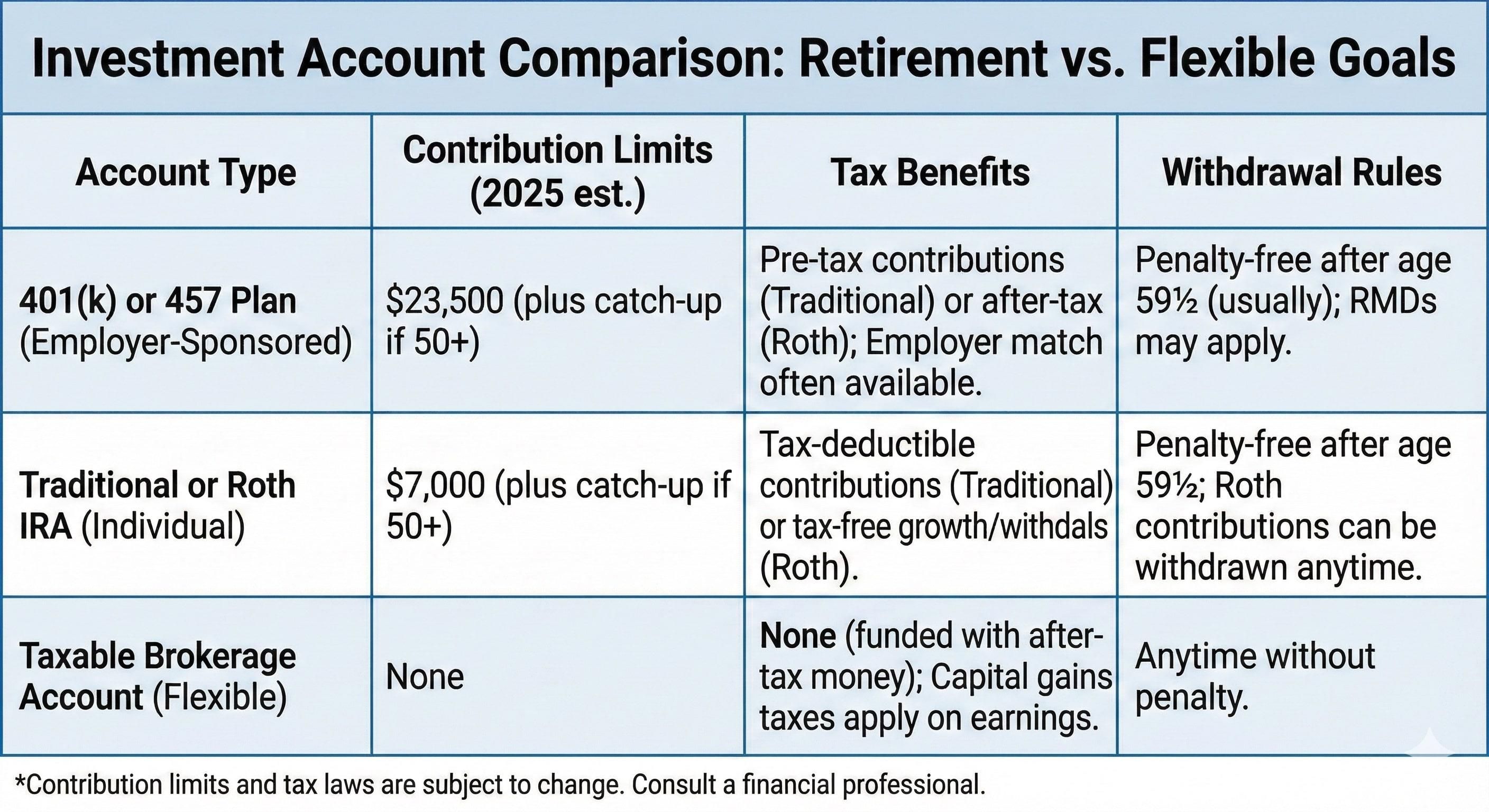
- 401(k) or 457 plans through your employer—especially if they offer matching contributions (that's free money!)
- Traditional or Roth IRA for additional retirement savings with tax advantages
For Other Goals:
- A taxable brokerage account provides flexibility to invest for any purpose without withdrawal restrictions
Step 4: Start Small and Simple
You don't need thousands to begin. Most online brokers have no account minimums, and some offer fractional share investing for beginners who want to start with small dollar amounts.
For beginners, consider:
Index funds or ETFs that track the overall market (like the S&P 500) provide instant diversification at minimal cost.
Target-date funds automatically adjust your investment mix as you approach your goal date, becoming more conservative over time.
[IMAGE: Mobile phone screenshot showing an investing app with a simple portfolio - emphasizing user-friendly technology]
Step 5: Invest Regularly
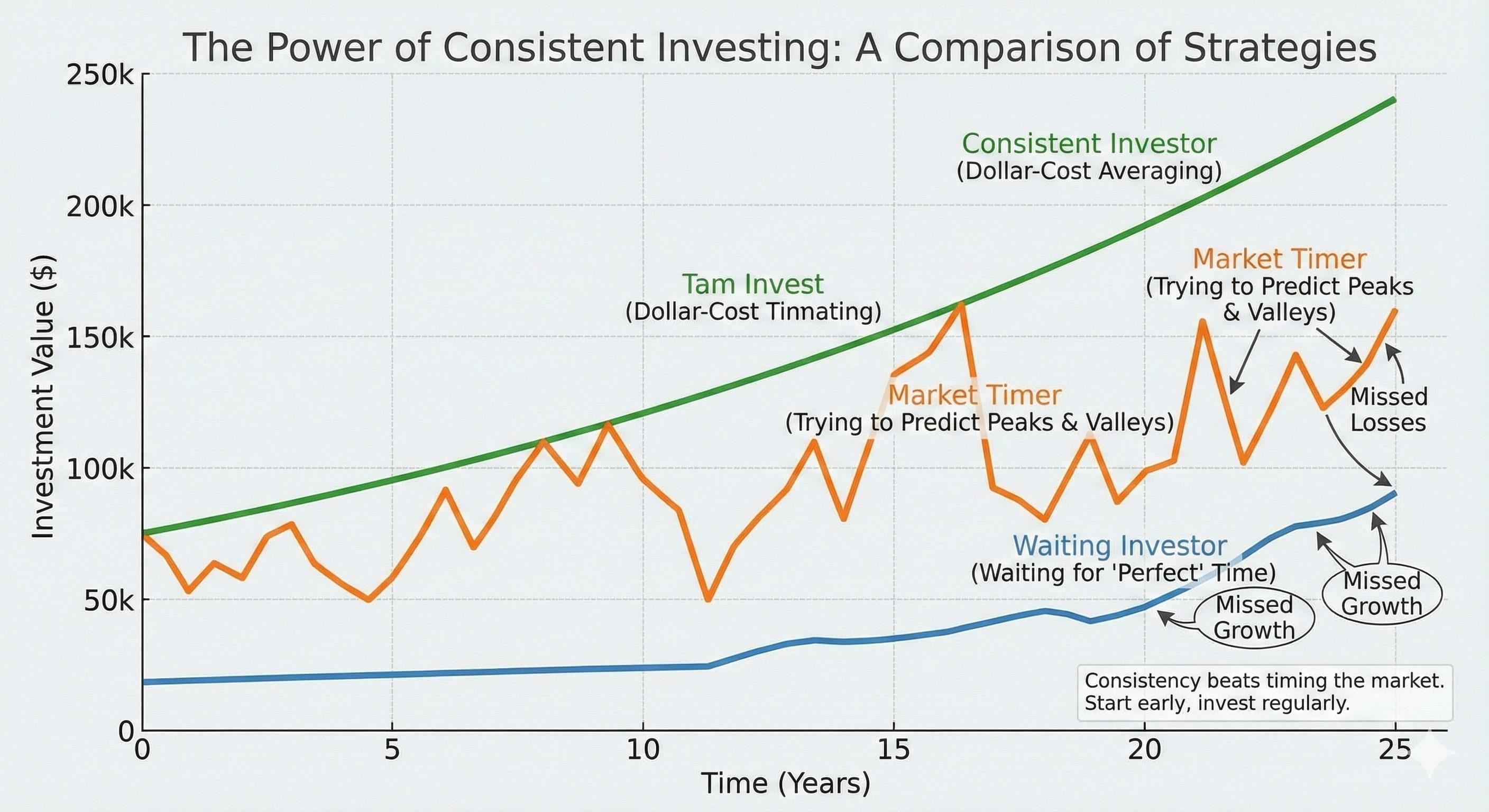
Rather than trying to time the market (which experts consistently fail at), adopt a consistent investment schedule. Investing the same amount monthly—regardless of market conditions—is called dollar-cost averaging, and it removes emotion from the equation.
Starting early and investing what you can regularly usually takes you much further than waiting for the "perfect" moment that never arrives.

Common Beginner Mistakes to Avoid
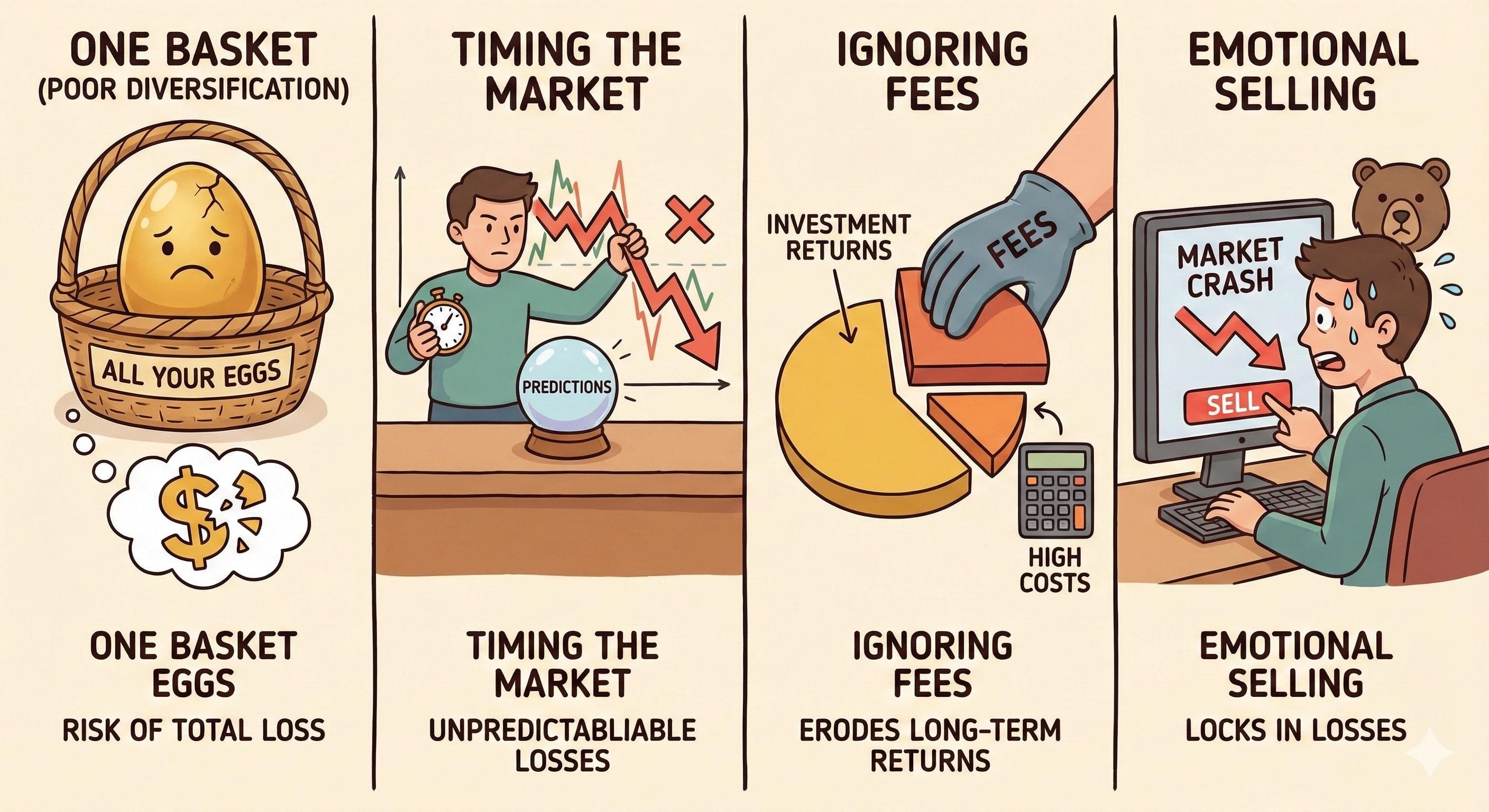
Putting all your eggs in one basket – Diversification protects you when individual investments stumble.
Trying to time the market – Even professionals can't consistently predict short-term movements. Focus on time in the market, not timing the market.
Ignoring fees – If you are paying 1-2% in fees, you could lose up to 40% of your expected investment returns over time. Choose low-cost index funds and ETFs whenever possible.
Reacting emotionally – Markets fluctuate. Selling during downturns locks in losses and prevents recovery gains.
The Power of Time and Patience
Here's the most encouraging truth about investing: time is your greatest ally.
Compound interest refers to returns earned on both the principal amount of your investment and the accumulated earnings. This means your money doesn't just grow—it grows exponentially over time.
Someone who invests $200 monthly starting at age 25 will likely have significantly more at retirement than someone who invests $500 monthly starting at age 45, even though the second person contributes much more in total.
Getting Started Today
The hardest part of investing is beginning. But you don't need to have everything figured out. Start with these simple actions:
- Open a retirement account or brokerage account (most take less than 15 minutes online)
- Set up automatic monthly contributions—even if it's just $50 to start
- Choose a simple, diversified investment like an S&P 500 index fund
- Increase your contributions as your income grows
Remember: The best time to invest was yesterday; the second-best time is today. Every day you wait is another day your money isn't growing.

Keep Learning, Keep Growing
Investing isn't a one-time decision—it's a lifelong journey. Review your portfolio at least annually, adjust as your life circumstances change, and continue educating yourself about financial markets and strategies.
The difference between financial stress and financial freedom often comes down to starting early and staying consistent. You've taken the first step by reading this guide. Now take the second step: open that account and make your first investment.
Your future self—the one living comfortably in retirement or achieving those dreams you're working toward—will be incredibly grateful you started today.
Ready to expand your financial knowledge further? Explore these detailed guides to refine your strategy:
- Master the Fundamentals: Before building a portfolio, make sure you understand the difference between assets and liabilities
- Refine Your Strategy: Align your portfolio with your specific goals by understanding the trade-offs between
capital growth vs. capital preservation - Invest with Values: Learn innovative ways to grow your wealth while adhering to ethical principles through
Shariah-compliant investment - Focus on Sustainability: Learn how modern investors are making an impact by exploring
ESG investing in private markets - Know Your Intermediaries: If you are navigating complex deals, it is crucial to understand the distinct roles of a
finder vs. a broker
Ready to begin your investing journey? The path to financial freedom starts with a single step. Take it today.

Pages Related to #how to start investing
- Hard Money Lending VS Real Estate Crowdfunding

- How to Spot and Avoid Hard Money Scams

- Hard Money Jumbo Loans in 2025: Latest CFPB Updates & Analysis

- [closed] CMF. Cedar Multifamily Fund
![[closed] CMF. Cedar Multifamily Fund](https://d2sv4n3pfes7l9.cloudfront.net/file_paperfree_144_2020-8-21-19-57-p_pf-avatar.jpg)
- How Do Smart Investors Benefit from Capital Preservation? Capital preservation strategies.

- Capital Preservation vs Capital Growth

- The great wealth transfer

- Value add real estate funds for capital growth | Paperfree.com

Popular Pages
Private Real Estate Funds - Investments to Drive Income and Capital Growth
Book a Free Complimentary Call
real estate investing Investment Visa USA Investment Magazine Private Real Estate Funds real estate funds